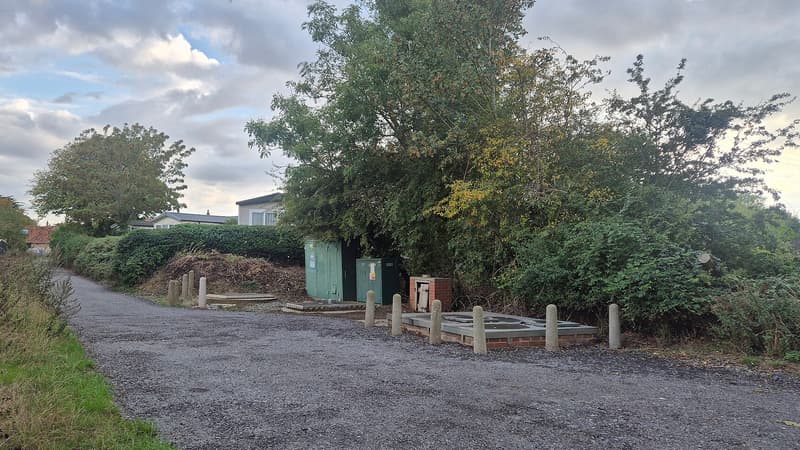
How a treatment plant differs from a septic tank

- Primary settlement: solids settle out as sludge.
- Aeration: an electric blower pumps air into the middle chamber so bacteria can break down the waste.
- Final settlement: remaining solids settle and are returned to the first chamber.
- Treated effluent goes to a drainage field, or to a watercourse where your registration or permit allows.
A septic tank only settles out solids. A sewage treatment plant adds air and biological treatment, using powered parts such as a blower or pump, so the effluent leaving it is much cleaner. That cleaner effluent can, subject to the rules, go to a watercourse or to a smaller drainage field.
- Needs power: plan for an electrical supply to the plant.
- Needs servicing: usually once a year by a competent engineer, plus regular desludging.
- Must be certified: to BS EN 12566-3, and sized using British Water's Flows and Loads guidance.
When you're likely to need one
- Your existing septic tank discharges to a ditch or stream. That isn't allowed for septic tanks in England (GOV.UK), and in Wales surface water discharges must come from a package treatment plant (NRW).
- Your soil fails a percolation test or is waterlogged, which is common on clay, peat and high water tables.
- You're near sensitive waters and the regulator wants a higher treatment standard, for example SEPA for some loch catchments.
- Space for a full-size drainage field is limited.
How much does a sewage treatment plant cost?
Builders' merchants list 6–7 person units from Marsh, Tricel and Graf at about £2,190–£2,700 inc VAT, and a Klargester BioDisc BA at about £4,950. Those are equipment-only prices. Supplied and installed, installers publish ranges of commonly £7,500–£15,000 (Fastfix from £7,500; Alton Facility Services £6,000–£15,000+; The Sewage Guy £10,000–£15,000). Budget about £100–£300 a year for the annual service, plus emptying.
| Item | Typical cost | Source |
|---|---|---|
| 6–7 person treatment plant, unit only: Marsh Ensign, Tricel Novo UK6, Graf One2Clean 7PE. Equipment only: excludes installation. | about £2,190–£2,700 inc VAT | Cotterill Civils; Tanks For Everything; Tanks For Everything, Oct 2026 |
| Premium 6-person unit: Klargester BioDisc BA. Equipment only. | about £4,950 inc VAT | Tanks Direct, Oct 2026 |
| Manufacturer's guide for the unit only | £1,700–£3,000 (6-person), £1,900–£3,500 (8-person) | Tricel |
| Installation on top of the unit (delivery, excavation, groundwork) | £2,000–£8,000, depending on size and ground | Tricel |
| Supplied and installed, typical domestic job | commonly £7,500–£15,000; difficult sites cost more | Fastfix Drainage & Plumbing; Alton Facility Services; The Sewage Guy |
| Annual service | about £100–£300 a year, plus any parts | Alton Facility Services; Fastfix Drainage & Plumbing; Tricel |
See the full sewage treatment plant cost guide.
What a good quote includes
- Site survey, and a percolation test if it's discharging to ground
- The unit, excavation, base, backfill and pipework
- Electrical connection and commissioning
- The discharge route, whether a drainage field, an outfall to a watercourse or other
- Decommissioning the old septic tank or cesspit
- Approvals and the environmental registration, permit or consent
- VAT, and the first year's service
Ask installers to list the plant, excavation, electrics, discharge route and removal of the old tank as separate lines. Alton Facility Services gives the same advice, which lets you compare quotes like for like.
Frequently asked questions
Is a sewage treatment plant better than a septic tank?
It treats wastewater to a higher standard and can discharge to a watercourse, where the rules allow. A septic tank is cheaper and has no moving parts, but it needs a working drainage field. The right choice depends on your ground, your discharge options and the regulator.
How often does a treatment plant need servicing?
Most need a service at least once a year, plus desludging as recommended by the manufacturer. Installers publish annual service prices of about £100–£300, and Tricel suggests around £120 plus parts.
Does a sewage treatment plant smell?
A correctly sized and serviced plant shouldn't produce noticeable smells. Smells usually mean a fault, overloading or overdue servicing.
Can I replace my septic tank with a treatment plant?
Yes. This is one of the most common upgrades, especially where a septic tank discharges to surface water. You'll need building control approval and the appropriate environmental registration or permit.