Who regulates septic tanks in Somerset?
Somerset is in England, so private sewage discharges are regulated by the Environment Agency. In England, small sewage discharges (up to 2 m³ a day to ground, or 5 m³ a day to surface water) don't need a permit if they meet the general binding rules. Under those rules, septic tanks must not discharge to surface water such as a ditch or stream, systems must meet the relevant British Standard and be sized correctly, and new discharges can't be in or within 50 metres of protected sites or in Source Protection Zone 1. Any new septic tank or treatment plant needs building regulations approval.
Building approval for a new or replacement system comes from Somerset Council building control or a registered building control approver. Read more in our England regulations guide.
Ground and soil conditions
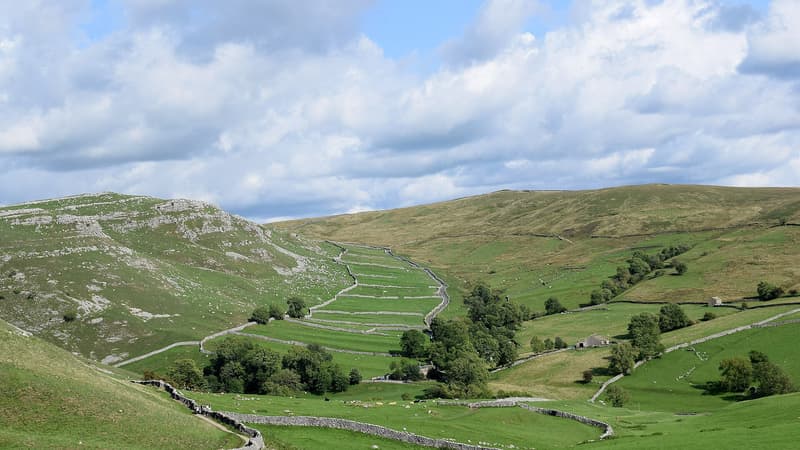
The Somerset Levels and Moors are low-lying peat and clay with a high water table and seasonal flooding, which make conventional drainage fields difficult. The Mendips are limestone with caves and fissures, where effluent can reach groundwater quickly. The Quantocks and Exmoor have shallower upland soils.
Protected waters and environmental checks
The Somerset Levels and Moors Ramsar site was one of the first areas where phosphate concerns led to nutrient-neutrality requirements for development. Drainage fields can't be in floodplains if they use a mound or engineered ground under the general binding rules.
Local practicalities
Since 2023 Somerset has had a single unitary council. Exmoor National Park Authority handles planning within the park. On the Levels, ask installers about flood risk and IDB consent for discharges to rhynes and drains.
Towns and villages covered
Installers we work with cover Somerset, including:
- Taunton
- Bridgwater
- Wells
- Glastonbury
- Yeovil
- Frome
- Shepton Mallet
- Minehead
- Wellington
- Chard
- Langport
- Dulverton
The list isn't exhaustive. Enter your postcode and we'll find installers who cover your property.
What it typically costs
The figures below are national guide prices from installers' published guides and merchants' list prices, because there's no reliable published data for Somerset on its own. Expect your quote to reflect the local ground, access and discharge route described above.
- Like-for-like septic tank replacement: roughly £3,000–£7,000
- New septic tank with drainage field: from about £5,500; commonly £5,000–£15,000
- New drainage field: £3,000–£7,000
- Sewage treatment plant unit only: about £2,190–£2,700 inc VAT (equipment only)
- Sewage treatment plant, supplied and installed: commonly £7,500–£15,000
- Emptying: priced by volume. One private tanker firm charges £170 for up to 1,000 gallons and £380 for up to 4,000 gallons
Other areas in England
Norfolk · Suffolk · Lincolnshire · Devon · Cornwall · Cumbria · North Yorkshire · Northumberland · Shropshire · Herefordshire · Dorset
Frequently asked questions
Can I have a drainage field on the Somerset Levels?
Sometimes, but high groundwater and flooding often rule out a conventional one. Treatment plants discharging to a watercourse, with any Internal Drainage Board consent needed, are common. The general binding rules don't allow drainage mounds in floodplains.
Does phosphate affect replacing my septic tank?
A like-for-like replacement of an existing discharge usually stays under the existing rules. New homes, extensions and changes can trigger nutrient-neutrality and permit requirements.
How much does septic tank replacement cost in Somerset?
We don't publish made-up local prices. Installers' published guides put a like-for-like replacement at roughly £3,000–£7,000, a new tank with a drainage field at commonly £5,000–£15,000, and a treatment plant at commonly £7,500–£15,000 fitted. Ground and access in Somerset can move your price either way, so compare site-visit quotes.